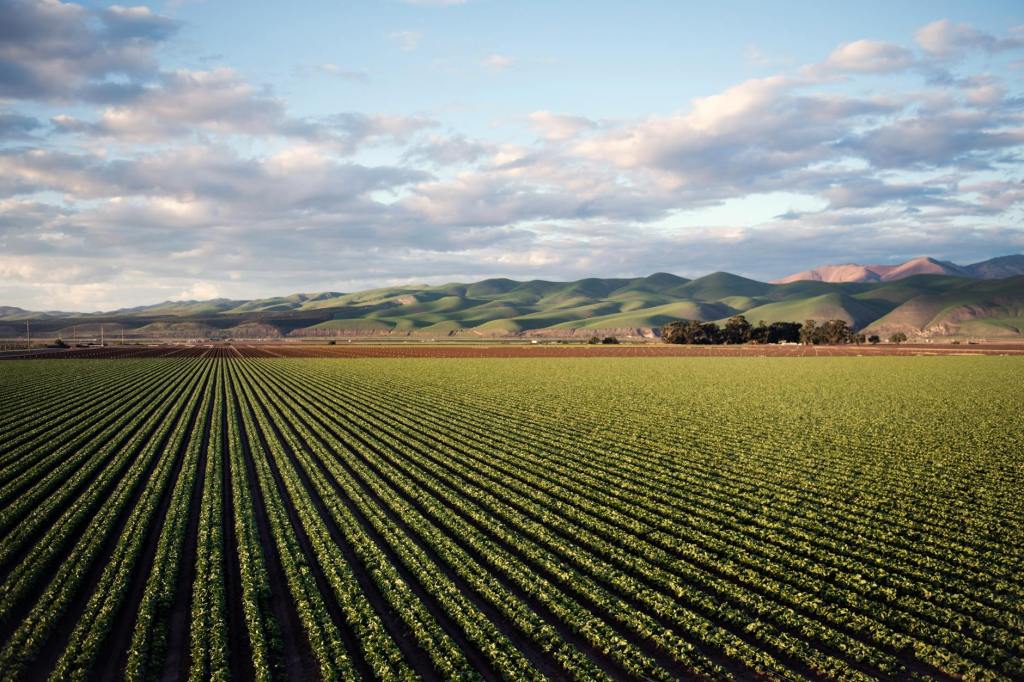
“See how the farmer waits for the precious fruit of the earth, being patient about it, until it receives the early and the late rains.” — James 5:7 (ESV)
We live in an age of instant gratification. We want results now, answers quickly, and change immediately. But Scripture continually invites us to slow down, to live by faith, and to embrace the unseen processes of God. One of the clearest illustrations of this is the farmer.
James, the half-brother of Jesus, exhorts believers facing trials and suffering to “be patient, therefore, brothers, until the coming of the Lord.” And then he gives them a model: look to the farmer. This comparison is not just poetic—it’s profoundly practical. If we want to live well as Christians in a world that often feels hostile, barren, or slow to produce fruit, we must learn from the way a farmer lives.
The Farmer Plants in Faith
A farmer does not see the harvest on the day he plants. In fact, for weeks or even months, the soil looks unchanged. He tills the ground, scatters seed, covers it with dirt, and waits. This is faith in action.
Christians are called to the same posture. We sow in prayer. We sow in obedience. We sow the Word of God into our hearts and the hearts of others. But the results are not always immediate. You may share the gospel with a loved one and not see change for years. You may obey God in a difficult decision and still struggle for a season. You may invest your time in a ministry that seems small and unimpressive. Yet God sees.
The faithful farmer doesn’t abandon the field because the sprout hasn’t yet appeared. He continues to believe that the seed has power. Likewise, we must believe that God’s Word will not return void (Isaiah 55:10–11). Growth is taking place, even when it’s hidden from view.
The Farmer Understands Seasons
Farmers live by the seasons. There’s a time for plowing, a time for planting, a time for waiting, and a time for reaping. They don’t rush the process. They know that each season matters—and that skipping one jeopardizes the harvest.
The same is true in our spiritual lives. Ecclesiastes 3 says there is a time for everything. Some seasons are dry. Others are full of activity. Some are filled with clarity, others with confusion. But God is Lord over every season. We must trust that the barren times are not wasted, and that the quiet times are not empty.
There are moments when you’re doing everything “right” and yet feel stuck. No doors are opening, no progress is visible, and you feel forgotten. But perhaps you are simply in a season of waiting—like a field resting between the early and late rains. The fruit will come. Keep trusting the God of the harvest.
The Farmer Is Patient, Not Passive
James says the farmer “waits for the precious fruit.” But waiting is not inactivity. The farmer doesn’t lie in bed for six months and expect wheat to appear. He checks his fields. He waters. He watches for pests. He adjusts as needed. His waiting is full of expectancy and labor.
Christian patience is the same. It’s not laziness or resignation. It is active dependence. It’s staying faithful in prayer. It’s continuing to love people, even when it hurts. It’s showing up, day after day, believing that God is at work.
Hebrews 6:12 reminds us that we inherit God’s promises “through faith and patience.” Not one or the other—both. Faith believes. Patience endures. Together, they cultivate a life that bears fruit in God’s time.
The Farmer Knows the Harvest Is Precious
James calls it “precious fruit.” Why? Because it comes at a cost. Farming requires sweat, discipline, perseverance, and sometimes loss. But when the crop is finally gathered, it’s worth every effort.
So too with the fruit God brings in your life. Whether it’s the fruit of Christlike character, or the fruit of souls saved, or the fruit of a vision fulfilled after years of delay—God’s harvest is always worth the wait.
Galatians 6:9 echoes this hope: “Let us not grow weary of doing good, for in due season we will reap, if we do not give up.” The harvest is certain. The only question is: will we keep going?
The Farmer Trusts What He Cannot Control
Perhaps most humbling of all is this: the farmer depends entirely on things beyond his control. He cannot make it rain. He cannot force the sun to shine. He cannot command the seed to sprout. He works, yes—but he trusts that nature, set in motion by God, will do its part.
As Christians, we must embrace this tension. We are called to work diligently, live faithfully, and love deeply—but we cannot control outcomes. We cannot control hearts. We cannot make revival happen or healing come or opportunities arise. But we serve the God who can.
And He is faithful.
Looking to the Ultimate Farmer
Ultimately, we look to the farmer not just as a metaphor for ourselves—but also as a reflection of God. Jesus said in John 15:1, “I am the true vine, and my Father is the vinedresser.” God Himself is the master gardener, carefully tending our lives, pruning us, nurturing growth, and bringing fruit in due time.
He does not give up on barren soil. He does not overlook small beginnings. He delights in planting seeds of grace, mercy, and truth—and watching them bear fruit in His children. If God is patient, we can be patient. If He is faithful, we can be faithful. And if He is preparing a harvest, we can look ahead with hope.
Conclusion: Keep Sowing. Keep Waiting. Keep Trusting.
Wherever you find yourself today—whether in a time of sowing, waiting, or reaping—look to the farmer. Let his endurance remind you that spiritual fruit does not grow overnight. Let his hope anchor your heart in the promise of God. And let his example draw your eyes to Jesus, who patiently shepherds you through every season.
There is a harvest ahead. Don’t quit now. Keep sowing the Word. Keep believing in what you cannot see. Keep trusting the One who brings life from the soil.
“The earth produces by itself, first the blade, then the ear, then the full grain in the ear.” —Mark 4:28
The work is slow. But the reward is eternal. Look to the farmer—and press on.
 sethmglazier.com
Leave a comment