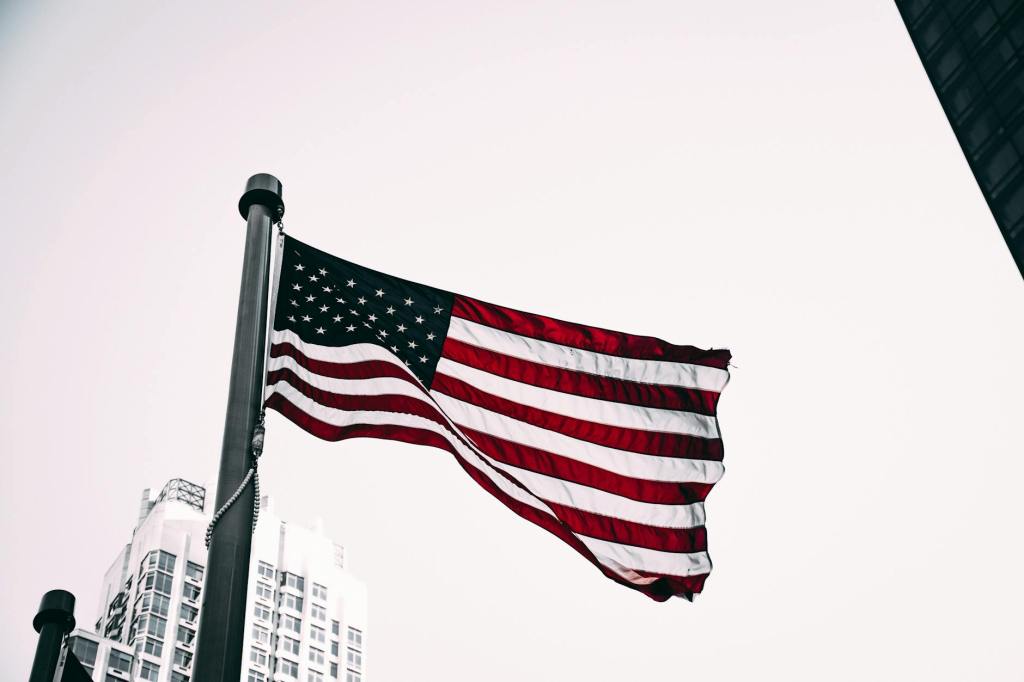
When Americans rise to sing The Star-Spangled Banner before a game, a ceremony, or a national event, most can anticipate its final dramatic note: “O’er the land of the free and the home of the brave?”—with a rising intonation that ends in a question mark. But few pause to consider: why would our national anthem end in a question? The short answer: it doesn’t.
The anthem we all know by heart is only the first verse of a four-verse poem. Francis Scott Key wrote the lyrics in 1814 after witnessing the British naval bombardment of Fort McHenry during the War of 1812. That first verse ends with a question because it was the beginning of a longer reflection. The rest of the poem—rarely sung or even read today—resolves the question and points to a profound foundation: not merely patriotic courage, but providential deliverance. In fact, the second half of The Star-Spangled Banner contains powerful themes of faith, justice, and national accountability to God.
It’s time we revisit all four verses and consider their spiritual and historical weight.
The Full Lyrics of The Star-Spangled Banner
By Francis Scott Key, 1814
Verse 1
O say can you see, by the dawn’s early light,
What so proudly we hailed at the twilight’s last gleaming,
Whose broad stripes and bright stars through the perilous fight,
O’er the ramparts we watched, were so gallantly streaming?
And the rocket’s red glare, the bombs bursting in air,
Gave proof through the night that our flag was still there;
O say does that star-spangled banner yet wave
O’er the land of the free and the home of the brave?
Verse 2
On the shore dimly seen through the mists of the deep,
Where the foe’s haughty host in dread silence reposes,
What is that which the breeze, o’er the towering steep,
As it fitfully blows, half conceals, half discloses?
Now it catches the gleam of the morning’s first beam,
In full glory reflected now shines in the stream:
‘Tis the star-spangled banner! O long may it wave
O’er the land of the free and the home of the brave.
Verse 3
And where is that band who so vauntingly swore
That the havoc of war and the battle’s confusion,
A home and a country should leave us no more?
Their blood has washed out their foul footstep’s pollution.
No refuge could save the hireling and slave
From the terror of flight or the gloom of the grave:
And the star-spangled banner in triumph doth wave
O’er the land of the free and the home of the brave.
Verse 4
O thus be it ever, when freemen shall stand
Between their loved home and the war’s desolation!
Blest with vict’ry and peace, may the Heav’n rescued land
Praise the Power that hath made and preserved us a nation.
Then conquer we must, when our cause it is just,
And this be our motto: “In God is our trust.”
And the star-spangled banner in triumph shall wave
O’er the land of the free and the home of the brave!
Unfinished Without Faith: Why the Ending Matters
The first verse ends with a question because, at the time Key was writing, the outcome of the battle was still uncertain. As he looked anxiously across the harbor at dawn, he didn’t know whether the American flag still flew over Fort McHenry. The question—“O say does that star-spangled banner yet wave?”—was both literal and metaphorical. It captured the tension of a moment when the fate of the nation hung in the balance.
But Key didn’t stop writing at that question. As the smoke cleared and the flag was seen waving defiantly in the morning light, the answer came not only in history but in poetry. The second and third verses celebrate the resilience of the American forces and the defeat of the enemy. But it’s the fourth verse that anchors the anthem in a higher truth: that victory was not merely by strength, but by the mercy and power of God.
“Blest with vict’ry and peace, may the Heav’n rescued land
Praise the Power that hath made and preserved us a nation.”
In the midst of war, Francis Scott Key saw more than military triumph. He saw divine providence. For Key—a devout Christian—this wasn’t just poetic flair. It was a theological conviction: America had been preserved by the hand of God, and that blessing demanded national praise and obedience.
“In God Is Our Trust”: More Than a Motto
The anthem’s final verse declares what would later become our national motto: “In God We Trust.” This phrase isn’t just a patriotic slogan. It’s a spiritual declaration that true freedom and enduring peace come only from God. The verse continues:
“Then conquer we must, when our cause it is just,
And this be our motto: ‘In God is our trust.’”
This line holds America to a standard—not of might, but of moral integrity. Key didn’t claim that God was on our side regardless of our actions; rather, he tied national success to the justice of the cause. This is a vital distinction. When a nation trusts in God, it must also strive for righteousness, justice, and humility.
What We Lose by Singing Only One Verse
By singing only the first verse, Americans remember the fear and glory of battle—but not the faith that frames it. We feel the suspense of the question, but not the triumphant hope of the answer. And most importantly, we lose the declaration that our liberty is not self-generated, but God-given.
The full anthem reminds us that:
- Our national existence is due to divine mercy.
- Victory is not only military but moral.
- Trust in God is the only sure foundation for a just society.
In today’s divided and distracted culture, returning to these verses could re-center our national memory on something deeper than patriotism. It calls us to gratitude, humility, and dependence on God.
A Reflection for Today’s Believers
For Christians especially, the full anthem echoes key truths of Scripture. Consider these parallels:
- “Praise the Power that hath made and preserved us a nation.”
—Psalm 33:12: “Blessed is the nation whose God is the Lord.” - “In God is our trust.”
—Proverbs 3:5: “Trust in the Lord with all your heart…” - “When our cause it is just…”
—Micah 6:8: “What does the Lord require of you but to do justice, love mercy, and walk humbly with your God?”
The national anthem, when read in full, becomes more than a celebration of liberty. It’s a reminder that freedom is fragile, justice is essential, and trust in God is vital.
Conclusion: Ask the Question—Then Answer It
“O say does that star-spangled banner yet wave…?”
The answer is yes—but it will only wave over “the land of the free and the home of the brave” if we remain a people of justice, humility, and faith.
Francis Scott Key left us more than a question. He left us a charge—to trust in God, to praise Him for His deliverance, and to live in such a way that our freedom is worthy of His continued blessing.
So the next time you hear our anthem end in a question, remember: the song isn’t over. And neither is the story of this nation, as long as we continue to answer with faith.
 sethmglazier.com
Leave a comment