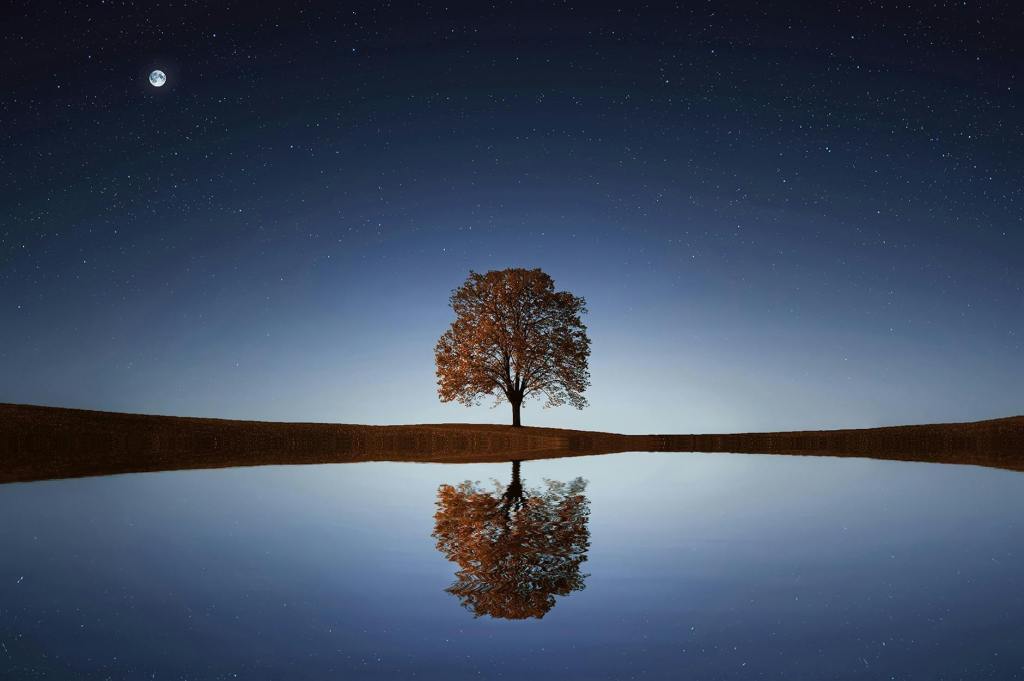
In a world obsessed with appearance, filters, and curated aesthetics, beauty is often reduced to what is seen by the eyes and applauded by the masses. But what does the Bible say about beauty? And what kind of beauty does God value? As we open Scripture, we discover that beauty—true beauty—is not a cultural construct but a divine attribute. God is not only the Creator of beauty; He is beautiful. He surrounds Himself with beauty, reveals His glory through beauty, and cultivates beauty in those who belong to Him.
The Beauty of God
Psalm 27:4 offers a glimpse into David’s deepest longing:
“One thing I ask from the Lord, this only do I seek: that I may dwell in the house of the Lord all the days of my life, to gaze on the beauty of the Lord and to seek him in his temple.”
God is beautiful—not in a superficial or physical way—but in the radiance of His holiness, the perfection of His character, and the majesty of His presence. His justice is beautiful. His mercy is beautiful. His faithfulness and love are beautiful. David didn’t long to see outward splendor—he longed to behold the beauty of who God is.
In Exodus 28, God commanded beautiful garments to be made for the priests—”for glory and for beauty” (v. 2). These garments reflected His holiness and majesty. In 2 Chronicles 3, the temple Solomon built was filled with ornamentation and intricate craftsmanship. Why? Because beauty was fitting for a God of beauty.
God surrounds Himself with beauty not because He needs it, but because it reflects who He is. Creation itself testifies to the beauty of its Maker: the majesty of mountains, the serenity of the sea, the detail of a flower, the vibrant hues of a sunset. “The heavens declare the glory of God” (Psalm 19:1), and glory and beauty are intertwined.
God Creates Beauty Out of Chaos
In Genesis 1, the earth is described as “formless and empty”—but God speaks, and beauty is born. Light separates from darkness. Waters recede to form dry ground. Trees, stars, animals, and humanity emerge. Order replaces chaos. God calls His creation “very good” (Genesis 1:31), a statement of divine satisfaction. But embedded within that goodness is beauty—structured, harmonious, fruitful.
Isaiah 61:3 proclaims that God gives His people “a crown of beauty instead of ashes.” He redeems brokenness and turns it into something beautiful. This is a deep biblical truth: God makes beauty from what was broken. He brings life from death, joy from mourning, and hope from despair. That is part of His beauty—His power to transform.
What Does God Consider Beautiful?
God does not define beauty as the world does. Physical appearance has its place in Scripture—Sarah was called beautiful, as was Esther, and the temple itself was stunning. But physical beauty is always secondary to something deeper.
In 1 Samuel 16:7, when Samuel is choosing a new king, the Lord tells him:
“Do not consider his appearance or his height… The Lord does not look at the things people look at. People look at the outward appearance, but the Lord looks at the heart.”
God finds beauty in what is eternal, not external. He looks for purity, humility, mercy, and love. Consider these biblical truths:
- A Gentle and Quiet Spirit
1 Peter 3:3–4: “Your beauty should not come from outward adornment… Rather, it should be that of your inner self, the unfading beauty of a gentle and quiet spirit, which is of great worth in God’s sight.” - Holiness
Psalm 96:9: “Worship the Lord in the beauty of holiness.” Holiness is not harsh or cold—it is stunning. It radiates the character of God and reflects His light. A holy life is a beautiful life. - Good Works and Generosity
In Mark 14, a woman breaks an alabaster jar of perfume to anoint Jesus. Some criticize her for wasting the money, but Jesus defends her: “She has done a beautiful thing to me” (v. 6). To give extravagantly in love and honor to Christ is beautiful in His eyes. Her act of worship was not practical, but it was precious.
The Beauty of Redemption
Perhaps the most profound display of God’s beauty is found in the ugliness of the cross. Isaiah 53 tells us that Jesus “had no beauty or majesty to attract us to him” (v. 2). He was despised and rejected, pierced and crushed. Nothing about the crucifixion looked beautiful to the world. It was brutal, humiliating, and dark.
But through that suffering, God brought salvation. The ugliness of sin met the beauty of grace, and mercy triumphed. There is no greater paradox in history: the darkest moment became the most glorious.
The gospel is beautiful because it reveals the heart of a God who would rather die than lose His people. It reveals a love that transforms enemies into sons and daughters. And that love, poured into the hearts of believers, begins to recreate them into His likeness—into something beautiful.
Beauty in the Life of the Believer
Those who follow Jesus are being made beautiful—not merely morally upright, but radiantly transformed. Isaiah 61 again gives us this promise:
“He has clothed me with garments of salvation and arrayed me in a robe of his righteousness” (v. 10).
We are being made into a bride “without spot or wrinkle or any other blemish, but holy and blameless” (Ephesians 5:27). God is not only preparing a beautiful place for His people—He is preparing His people to be beautiful for that place.
This means beauty is not skin-deep. It’s not defined by Instagram metrics or cultural standards. It’s spiritual. Eternal. Substantial. As Proverbs 31:30 reminds us,
“Charm is deceptive, and beauty is fleeting; but a woman who fears the Lord is to be praised.”
Fear of the Lord—reverence, trust, and love—is beautiful to God. It reflects the heart of heaven.
Called to Reflect Beauty
Christians are called not just to admire beauty but to reflect it. Titus 2:10 says we are to “adorn the doctrine of God our Savior in every respect.” Our lives should make the gospel look good—not through perfection, but through grace. The way we speak, forgive, give, and love should display the beauty of the One we belong to.
In Philippians 4:8, Paul exhorts believers to think on things that are “true, noble, right, pure, lovely, admirable… excellent or praiseworthy.” Beauty shapes our minds, tunes our affections, and reorients our priorities. A love for what is truly beautiful draws us closer to the God who is Beauty itself.
Beauty in the End
The Bible ends with a vision of beauty beyond comprehension: the New Jerusalem descending “like a bride beautifully dressed for her husband” (Revelation 21:2). The city shines with the glory of God. Its walls are adorned with jewels. There is no temple there, for God Himself is its light. All creation is restored. Beauty is no longer fleeting—it is eternal.
That is our future. That is our hope. The God of beauty will make all things beautiful in their time (Ecclesiastes 3:11). He will wipe every tear. He will remove every blemish. He will dwell among His people forever, surrounded by the splendor of holiness, love, and glory.
Closing Thoughts
The world may distort beauty, but God defines it. He creates it, reveals it, and prizes it in places the world overlooks. A heart surrendered to Him, a life marked by holiness, a soul that worships in spirit and in truth—these are beautiful to Him. And one day, all who belong to Christ will dwell in the fullness of beauty forever.
Let the world chase fading glory. We belong to the God of eternal beauty.
 sethmglazier.com
Leave a comment